When people quietly ask the question “is peace possible?”, they are rarely asking it casually.
Usually it comes after reading the news. After watching conflict escalate somewhere across the world. After hearing leaders speak in careful diplomatic language about deterrence, alliances, retaliation, and security.
The question carries a deeper worry beneath it.
If humanity has struggled with conflict for thousands of years, is peace actually achievable? Or is it simply an ideal we repeat to children while adults continue repeating the same cycles of fear and violence?
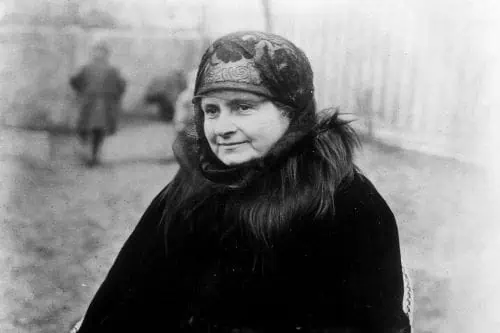
More than a century ago, Maria Montessori wrestled with this same question.
She lived during a time when Europe was fracturing politically and culturally. She watched nationalism rise. She witnessed societies becoming increasingly divided. She saw firsthand how quickly human progress could unravel when fear and power replaced cooperation and reason.
And yet, despite everything she experienced, Montessori did not become cynical about humanity.
Instead, she became more convinced than ever that peace is possible.
But she believed we were looking for it in the wrong places.
She wrote:
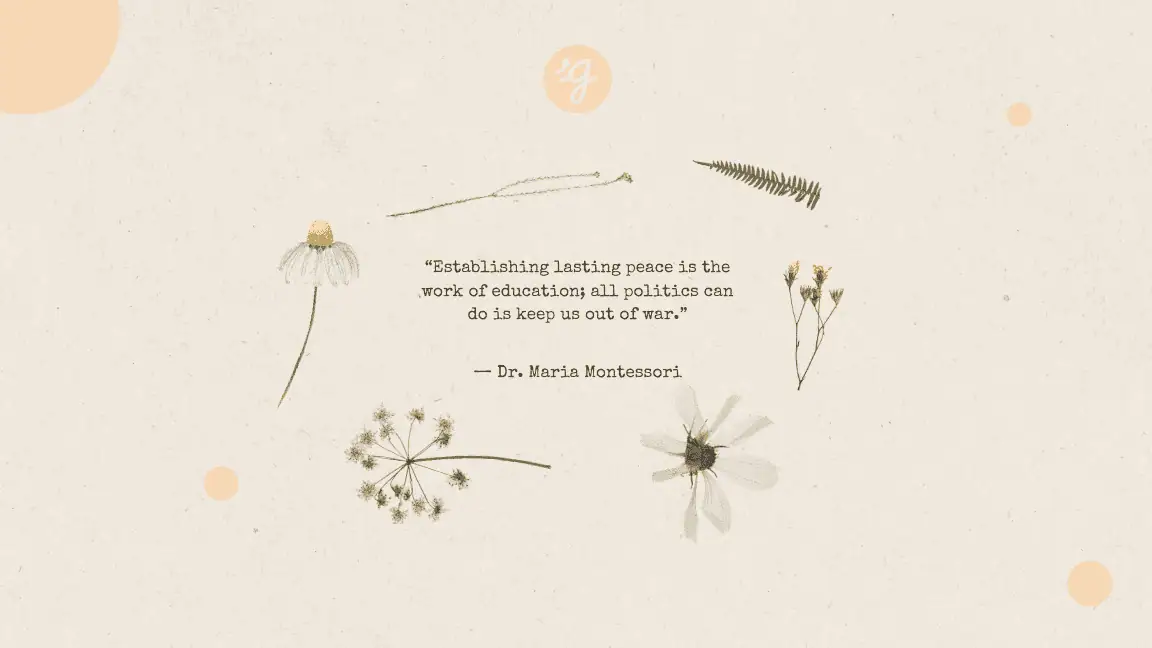
“Establishing lasting peace is the work of education; all politics can do is keep us out of war.”
Montessori did not deny the importance of diplomacy or politics. She simply understood their limits. Political agreements can pause a conflict. They can create temporary stability. They can prevent immediate violence.
But they cannot transform human character.
And without that transformation, peace cannot last.
Montessori believed that if we truly want to answer the question “is peace possible?”, we must look somewhere very different from politics or military power.
We must look at children.
Below are three reasons she believed lasting peace is not only possible, but deeply connected to how we educate the next generation.

1. Peace Is Learned Early in Life
When Montessori first began studying children, she was not trying to solve global conflict. She was working as one of Italy’s first female physicians, observing child development and studying how children learn.
At the time, many people believed children were passive recipients of knowledge. Education was something adults poured into them.
Montessori quickly realized something very different was happening.
Children were actively constructing themselves.
Through movement, repetition, concentration, and social interaction, children were building their intelligence, their emotional regulation, and their sense of how to relate to other human beings.
She later wrote:
“The child is both a hope and a promise for mankind.”
This insight has enormous implications for the question “is peace possible?”
If human beings develop habits of cooperation, empathy, patience, and respect during childhood, those habits shape the societies they later create.
But if children grow up constantly rushed, compared, corrected, and controlled, they often develop anxiety, insecurity, and defensiveness instead.
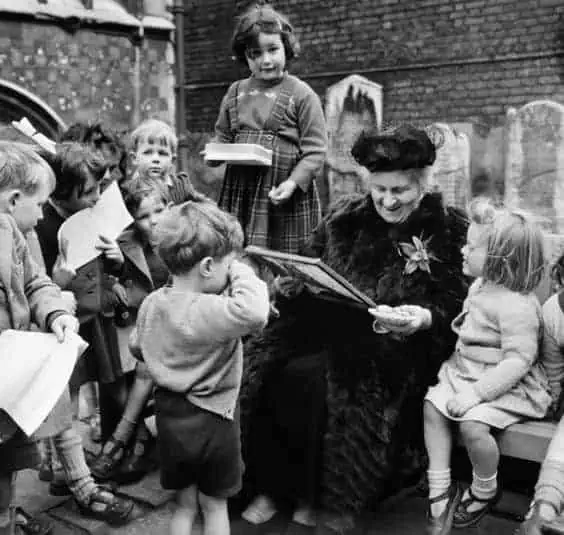
Montessori saw this clearly and began to understand that peace does not begin in adulthood, peace begins when children first learn how to live alongside other people.
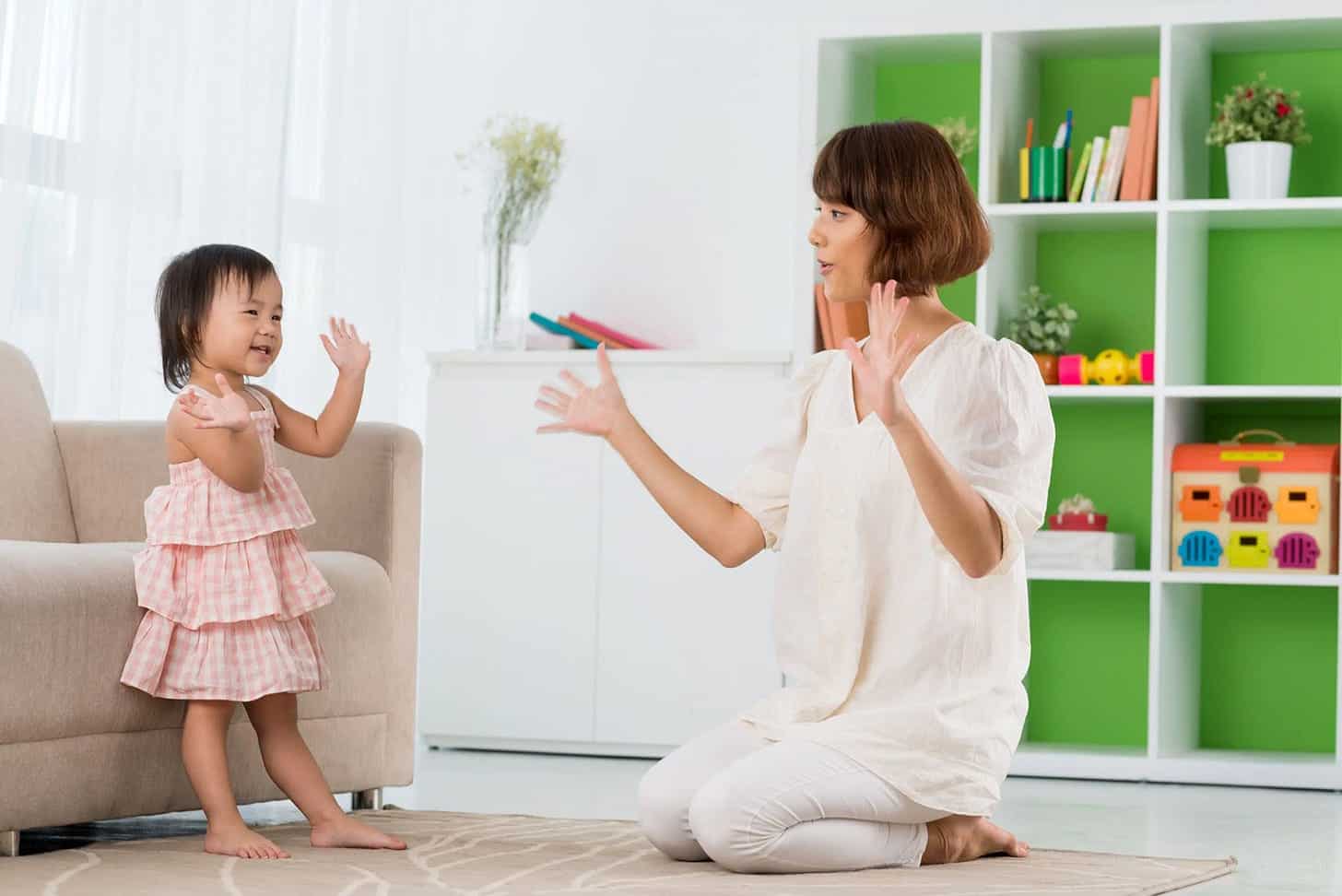
In a Montessori classroom, this learning happens daily in small, quiet ways.
- A child waits for another child to finish using a material before taking their turn.
- An older child helps a younger one carry a tray.
- Two children disagree and are guided to resolve the conflict through conversation rather than force.
These moments are easy to overlook, but Montessori understood something profound:
They are the early practice of peaceful civilization.
2. Education Shapes the Kind of Adults Children Become
Montessori’s work unfolded during a time of enormous global tension. She watched political extremism rise across Europe. Her refusal to allow Montessori schools to participate in authoritarian youth movements eventually forced her to leave Italy.
She had every reason to lose faith in humanity.
Yet she continued to ask the question: is peace possible? And she came to believe, deeply and unwaveringly, that education could change the trajectory of society.
She wrote:
“Preventing conflicts is the work of politics; establishing peace is the work of education.”
Why?
Because education does something politics cannot.
It forms the inner life of a human being:
- A child who learns independence develops confidence rather than insecurity.
- A child who experiences meaningful work develops discipline rather than restlessness.
- A child who learns how to collaborate develops respect rather than domination.
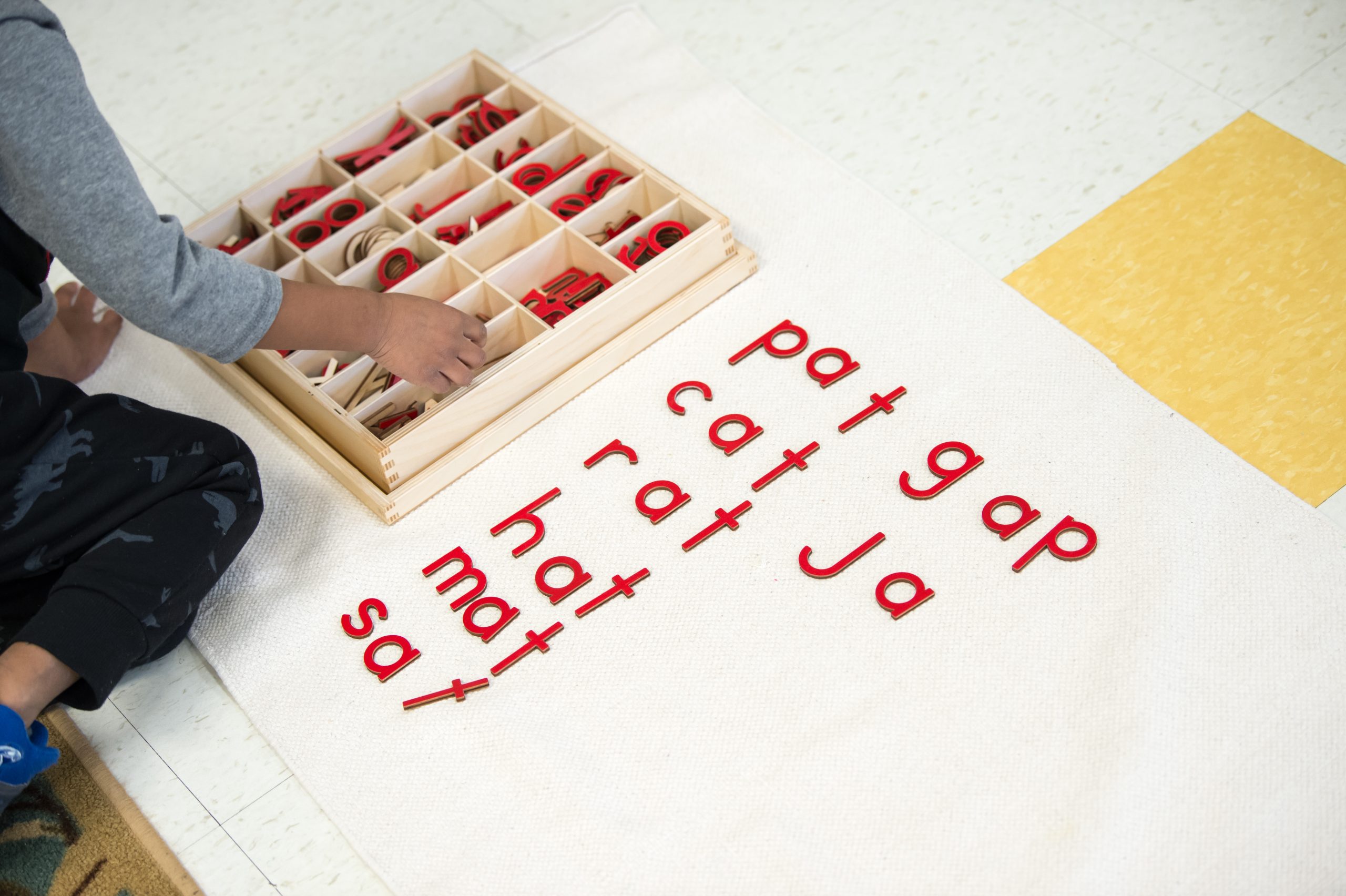
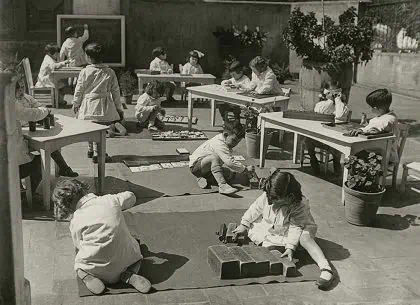
Montessori classrooms are carefully prepared environments designed to support these qualities.
Children are not constantly interrupted or directed by adults. Instead, they are encouraged to choose purposeful work, concentrate deeply, and take responsibility for their environment.
- Practical Life activities, like preparing food or caring for plants, cultivate competence.
- Grace and Courtesy lessons teach children how to speak respectfully, listen to others, and resolve disagreements.
- Mixed-age classrooms allow younger children to observe older role models and older children to practice leadership and empathy.
These experiences may seem small, but they shape the adults children eventually become and cultivate the environment that answers: is peace possible?
And those adults will be the ones who lead communities, build institutions, and make decisions that affect society.
If we want a more peaceful world, Montessori believed we must start by cultivating more grounded, capable, and compassionate human beings.
3. Children Naturally Move Toward Cooperation
One of the most surprising discoveries Montessori made through observation was that children naturally gravitate toward cooperation when placed in a healthy environment.
The popular image of childhood is often chaotic and competitive. But Montessori saw something different when children were given meaningful work and freedom within clear boundaries:
- Children concentrated deeply.
- They helped one another spontaneously.
- They developed a sense of order and pride in their environment.
She described this transformation in one of her most famous observations:
“The child who concentrates is immensely happy.”
When children are allowed to follow their developmental needs, many behavioral conflicts dissolve.
Instead of fighting for attention or reacting to constant adult control, children focus their energy on purposeful activity and collaborative life within the classroom community.
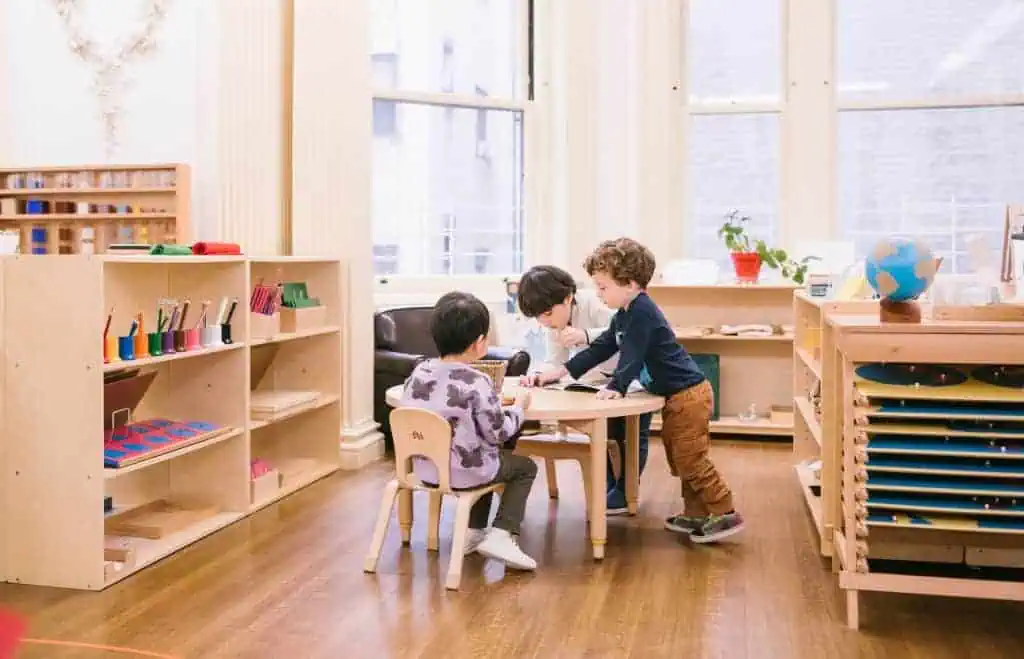
Montessori began to see the classroom as a micro-society, a place where children rehearse the art of living together. And in that quiet daily practice, the possibility of peace begins to take shape:
- Older children naturally assist younger ones.
- Children learn to wait, observe, and respect the work of others.
- Community norms develop organically rather than being imposed through constant discipline.
These experiences matter deeply because they teach children that cooperation is not weakness.
It is strength.

The Quiet Work of Peace
When people ask “is peace possible?”, they often imagine peace being negotiated at the level of governments.
But Montessori saw the answer unfolding somewhere much quieter:
- In classrooms.
- In homes.
- In the everyday work of educators and parents.
She believed the future of humanity was quite literally being constructed by children.
“The child is the builder of man.”
Which means every time we protect a child’s concentration, we protect their ability to think clearly.
Every time we guide a child toward empathy, we strengthen their capacity for cooperation.
Every time we cultivate independence, we form individuals who do not need to dominate others in order to feel secure.
This work rarely appears in headlines because it unfolds slowly. It is quiet, patient work, and perhaps that is part of why convincing people not only about Montessori, but about the deeper question is peace possible, can feel so challenging. The transformation does not happen in dramatic moments or sweeping political decisions. It happens gradually, one child, one classroom, one educator at a time.
And yet when we look around at the world, we often wonder why so many leaders and politicians appear hurried, reactive, and angry. Why conversations escalate so quickly. Why cooperation can feel so fragile. Montessori would likely suggest that the answer begins much earlier than adulthood. To some degree, many of the environments that shaped these adults did not cultivate the habits of patience, reflection, independence, and empathy that peaceful societies require.
Which brings the responsibility back to us.
Not to governments. Not to jurisdictions or institutions alone. But to educators, parents, and communities who guide the earliest years of human life.
Montessori believed that through the child we are not simply raising individuals. We are building mankind itself.
If peace is ever to be sustained, it must be cultivated deliberately in those early years. It must be practiced in the small social worlds children inhabit every day. In the classroom. In the home. In the way we guide them to live and work together.
This work may be quiet, but Montessori believed it was the most powerful force for peace humanity possesses.
So when we return to the question “is peace possible?”, her answer remains remarkably simple.
Yes.
But only if we take education seriously enough to shape the kind of human beings who will build the future with care and respect for one another, and with the curiosity to keep learning, adapting, communicating, and refining how we live together.